
Many of us would love to own a classic car, whether it’s an old muscle car, a luxury classic, or a supercar icon of the past. Yet many of us might think that they are too expensive, too costly to afford, and perhaps restore.
But that is only sometimes the case. There are plenty of classic cars out there that are affordable not just to buy but also to restore
This list contains some of those classics that money can indeed buy—proving that you don’t have to have millions in the bank to own your dream classic car.
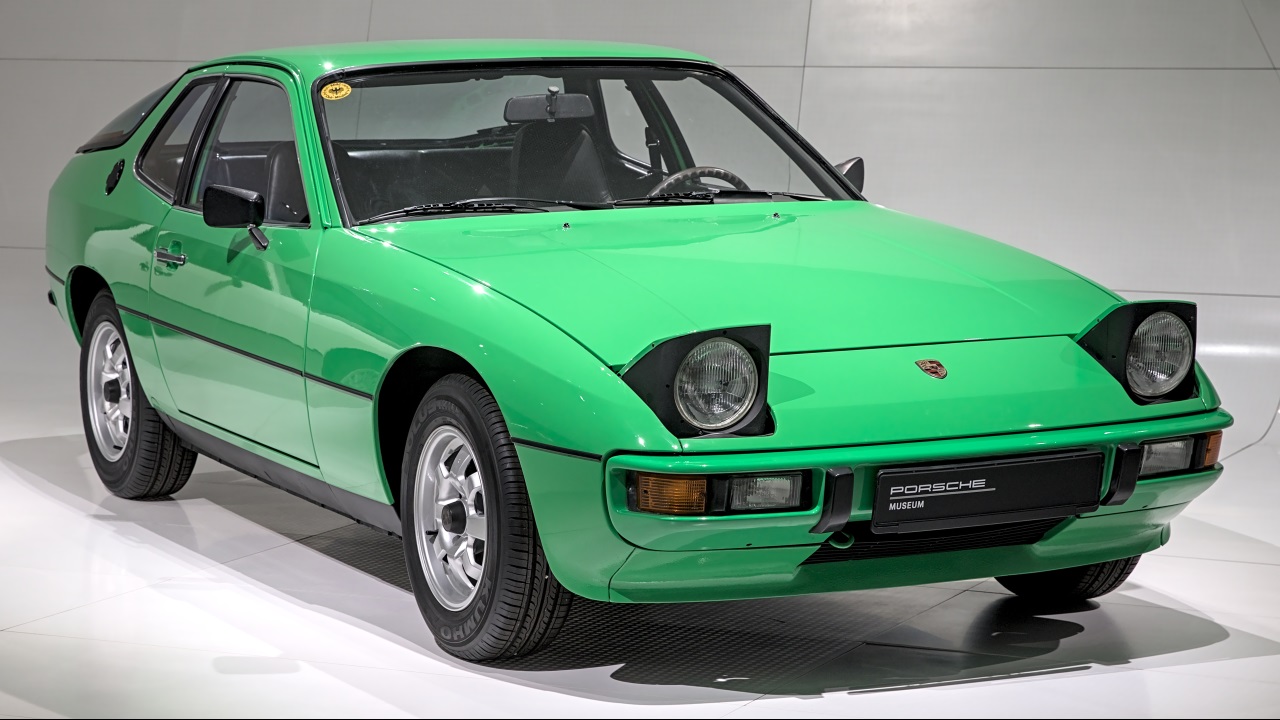
Porsche 924

The idea of a Porsche being a cheap car to restore might seem ludicrous. But there is some logic here with the Porsche 924. The 924 shares many of its components with contemporary Audis and Volkswagens of the era, and the sharing of these common parts makes restoration easier and cheaper.
The 924 made its debut in 1975, and it was hoped that it would go on to replace the 911 as Porsche was worried about the longevity of it. Incredibly, the 911 is still in production today, with the 924 discontinued in 1988. Power came from a 2.0-liter Volkswagen naturally-aspirated and turbocharged inline-four, plus a 2.5-liter Porsche M44/40 inline-four.
Volkswagen Beetle

The Volkswagen Beetle is one of the easiest and cheapest cars to restore simply because so many were built. It made its debut in 1938 and remained in production until 2003. Over its 65 years of production, it has sold over 21.5 million units and has the most prolonged production period of any single-generation automobile.
The Beetle’s basic structure and affordability made it incredibly appealing to families in Germany. Power came from simple four-cylinder engines, and the car could weigh as little as 1,610 lbs. Due to its simplicity, repairs were easy, and the little Beetle is also tougher than you would expect.
First-Generation Ford Mustang

While it might not seem possible that a Ford Mustang is cheap to restore, the reality is that it is. Due to the popularity of first-generation Mustangs and the number of them produced, spare parts are readily available. Even if that means cannibalizing one, that is a bit worse for wear.
The first-gen Mustang is an outright icon. It reinvented the muscle car and introduced the new “pony car” segment to North America. Its design is timeless, and Ford’s V8 engines turned it into one of the most powerful and brutal machines of the day.
Citroen 2CV

The little Citroen 2CV is very much like the Volkswagen Beetle in that it is an easy-to-maintain, simple car. Citroen conceived the 2CV after World War II in order to mobilize farmers in the countryside and to provide affordable motoring to the masses.
Like the Beetle, millions of 2CVs have been built, and the design has changed little over the years. Production lasted from 1948 to 1990, and its air-cooled front-mounted engine was one of the most reliable ever fitted to an automobile.
Pontiac Star Chief

Overshadowed by the later GTO and Firebird Trans Am, the Pontiac Star Chief was an attractive post-war machine with its fins and chrome trim, and it was the perfect balance of luxury with a compact car.
Adding to the allure of the Star Chief was the multitude of V8 engines that Pontiac made available for the car. All of these provided solid horsepower, and thankfully, for restorers, there are plenty of parts on the market that you can use to bring a rusty Star Chief back up to showroom condition.
Pontiac Trans Am

Pontiac’s Trans Am is arguably one of the most iconic muscle cars ever produced. It combined the best of raw V8 horsepower with the design and grandeur of the American muscle car. Plus, it’s also a TV and movie star, firmly ingraining itself into American culture.
The first generation had a range of powertrains available, from the 3.8-liter Pontiac inline-six right up to the 400 ci 6.6-liter Pontiac V8. At its height, early generations of the Trans Am could produce 335 horsepower, with only the oil crisis of the 1970s stifling those figures.
Dodge Dart

The Dodge Dart is an interesting case, namely as it is a muscle car that few people remember. That is primarily due to its being overshadowed by the later Dodge Challengers and Chargers, as well as other muscle cars like the Ford Mustang and the Pontiac GTO. But the Dart is just as timeless as all of them.
Dodge produced the Dart from 1959 to 1976. It took various forms and had various engines under the hood, such as Dodge’s slant-six and massive V8s. Convertible versions and even a station wagon were built, and it is often forgotten just how punchy the Dart could be.
Fiat Multipla
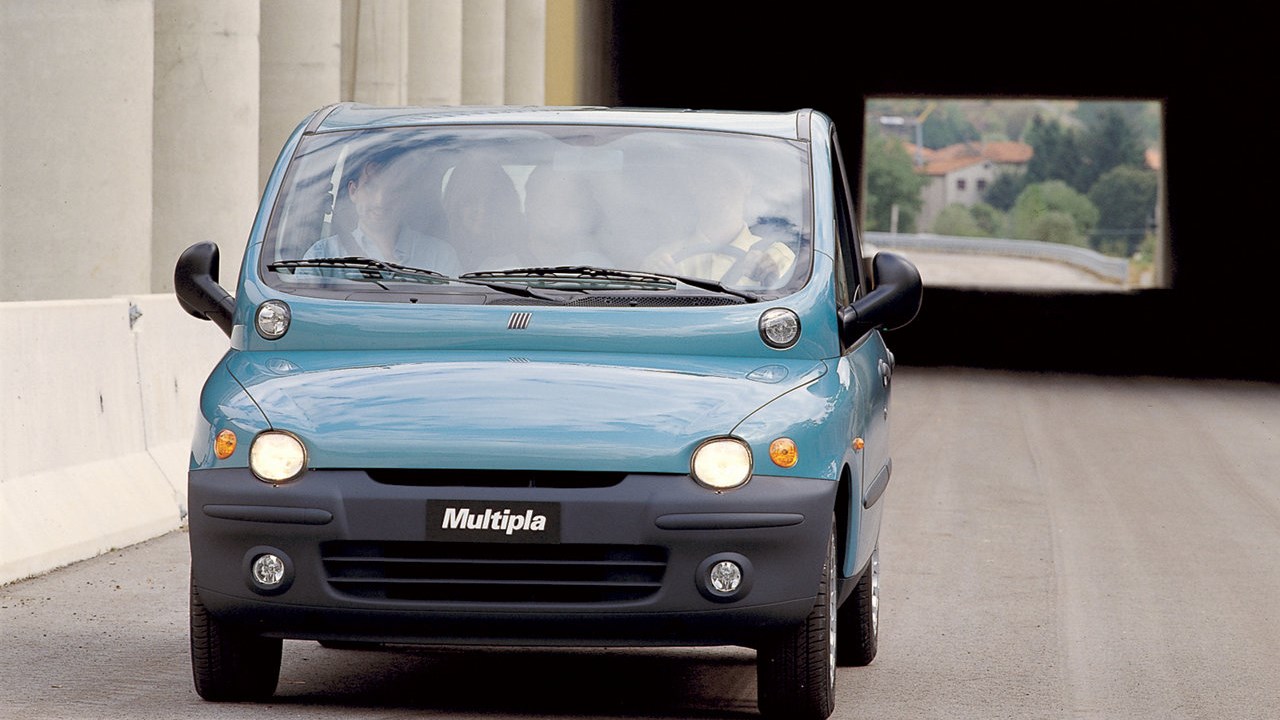
This one might be a stretch, as the Fiat Multipla is not quite a classic yet, and they are hard to find. But as they aren’t the most popular vehicles in the world, you can still pick them up relatively cheaply, albeit you can’t guarantee that they will be in mint condition.
The principle behind the Multipla is sound. It’s a family MPV with two rows of three seats, making it a six-seater and one that keeps headroom and legroom intact. Large windows made the cabin a great place to be, and even its strange design has helped it to become a modern icon.
MG MGB
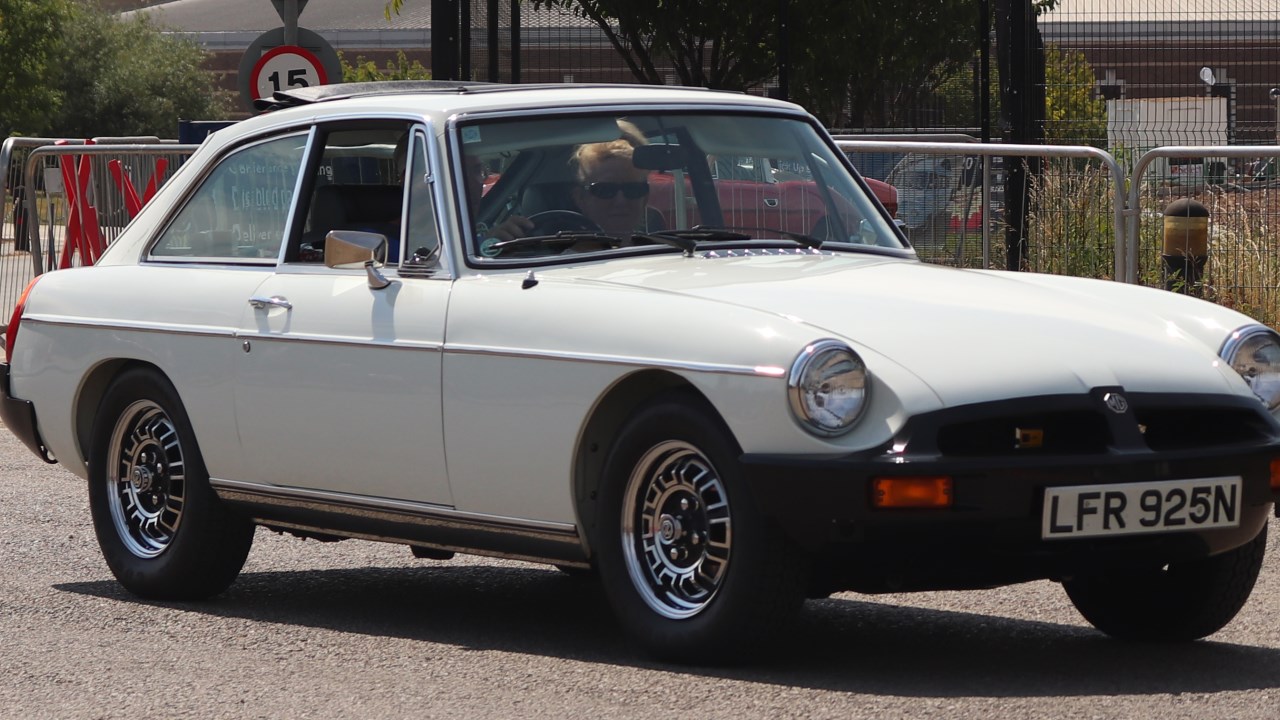
If you want a British sports car that you can restore on the cheap, look no further than the MG MGB. Built from 1962 to 1980 by British manufacturer MG, the MGB is one of the most recognizable and quintessentially British cars ever produced.
Early versions stood out thanks to the extensive chrome trim and petite proportions. Later models were still small, but they had more modern plastic bumpers instead of chrome. Inline-four power was the MGB’s staple powertrain, and while British cars of the time had a mixed reputation, the MGB was actually quite reliable.
Chevrolet Chevelle
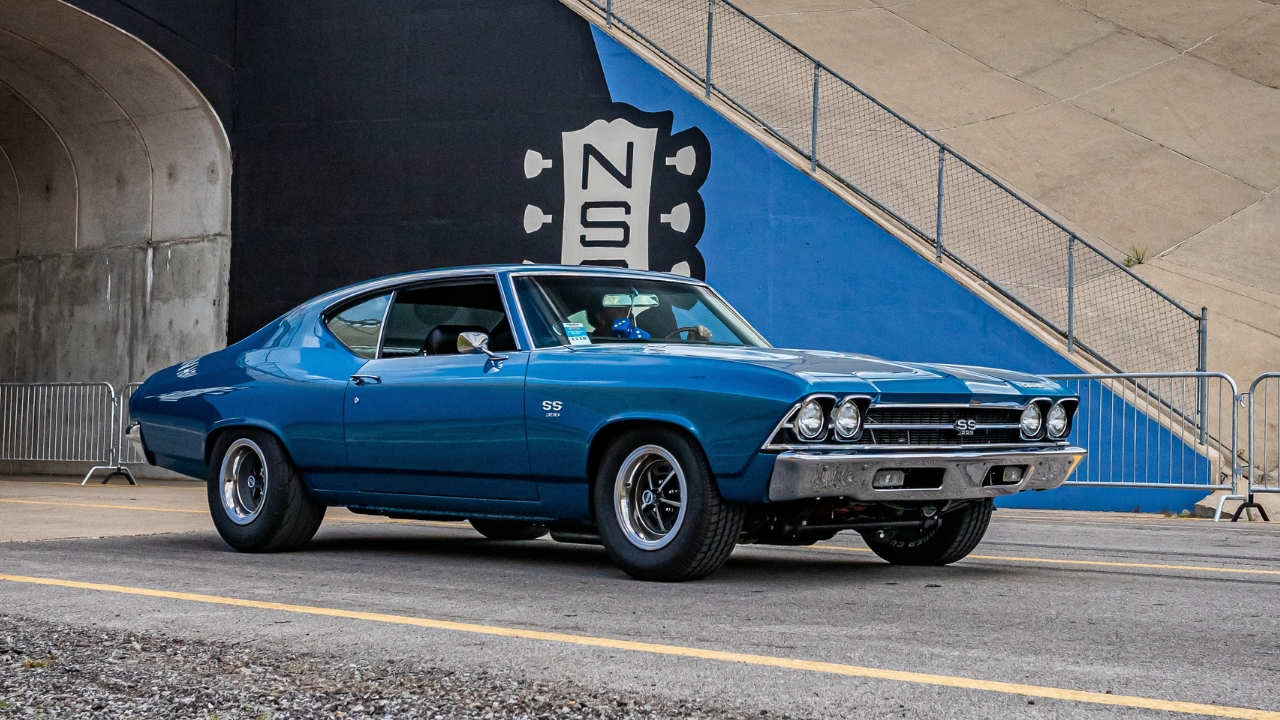
It might not be the most exotic or sought-after classic car, but the Chevrolet Chevelle still holds a special place in the hearts of many. Plus, the Chevelle SS turned this great little mid-sized machine into an exceptional muscle car—one that remains popular in 2024.
Chevrolet produced a large number of Chevelles from its first production year in 1963 until 1977. V8 power was one of the various powertrains available, including turbocharged inline-six engines, but the most iconic and expensive was the exceptional Chevelle SS 454.
Lada Riva

We can’t escape the fact that the Lada Riva isn’t exactly a great car. In fact, it’s pretty terrible in many ways, being based on the Fiat 124, which by 1980 was practically prehistoric. But the Riva has an unusual amount of charisma and character for such a terrible car. And thanks to its simplicity, it’s also easy to restore.
Given its Russian origins, spare parts could be a problem for those looking to restore a Riva. However, some components from the Fiat 124 can be used in place of Lada components. The Soviet manufacturer produced the Riva from 1980 until 2012, and yet the design remained virtually unchanged throughout that time. The Riva was prone to rust, poorly built, and underpowered, but as a product of the Soviet Union, that was perhaps to be expected.
Honda CR-X
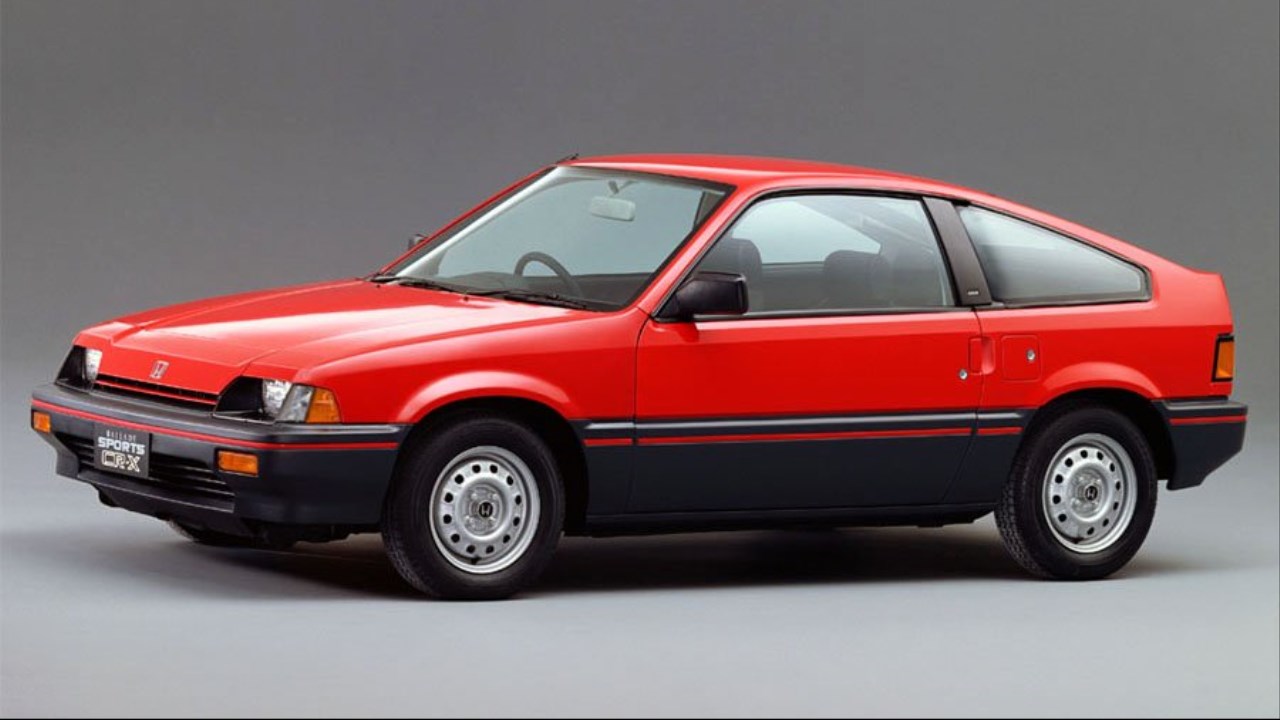
Despite its sporty credentials and excellent design, the little Honda CR-X doesn’t gather the same attention as the classic Integra Type Rs or the Honda S2000. But that is great for those seeking an example of the baby Civic on the second-hand market.
The CRX made its debut in 1983 and existed in various forms until 1991. The most desirable generation is the first from 1983 to 1987, with its fabulous design powered by a range of Honda inline-four engines.
Pontiac GTO
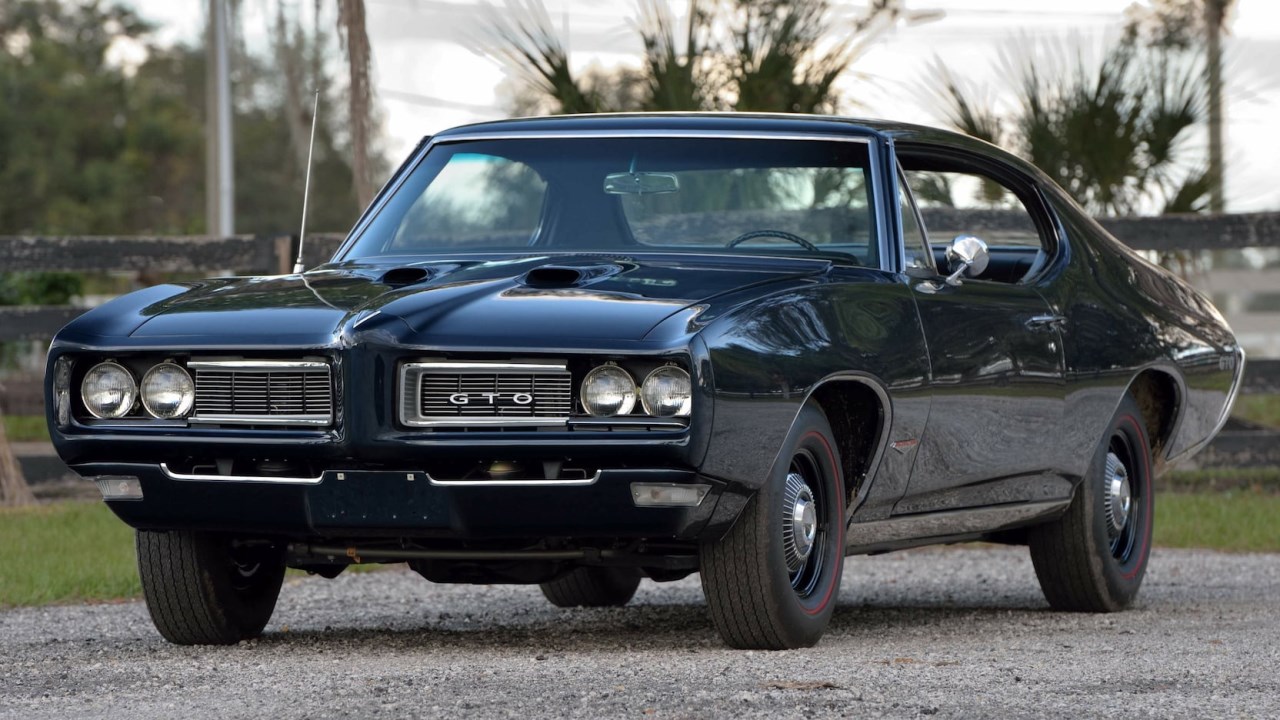
While very early versions of the Pontiac GTO can sometimes be pricey, examples from the late 1960s and early 1970s are much more affordable. Their slightly reduced desirability helps bring prices down, and Pontiac produced enough of them that there are plenty on the market.
The second generation of the Pontiac GTO had either a 400 ci 6.6-liter V8 or a massive 455 ci 7.5-liter V8 under the hood. Power was around 300 horsepower for the smaller V8, while the gigantic 7.5-liter engine could produce up to 335 horsepower.